
News
Is India-Pakistan rivalry the biggest in white-ball cricket?

A heady cocktail of colourful costumes, ear-splitting noise and immense passion can mean only one thing at an ICC Cricket World Cup – India against Pakistan.
Since their first meeting in 1952, the two teams have shared some of the most dramatic matches and jaw-dropping moments in cricket history.
Ahead of their latest meeting on 14 October, we examine just how big the rivalry has become and the current state of play ahead of their duel in Ahmedabad.
White-ball cricket’s fiercest rivalry?
A look back at the numbers from their 2019 showdown serves as a reminder of the scale of the occasion.
Over 700,000 ticket requests, 600 media requests, a reported one billion TV viewers – and that was ahead of a sodden Sunday affair in Manchester, never mind a sultry Saturday at the world’s largest arena, the Narendra Modi Stadium.
The Ashes may have history on its side, and there is no lack of bite when England and Australia collide, but their meetings in the shorter format might not quite have the same edge as when India take on Pakistan.
Their meetings in cricket’s global event are as close to a rock concert as the sport will come.
A history like no other
From an opening meeting in the format in 1978 which went down to the final ball – India winning by four runs – this rivalry has been electric.
Pakistan have enjoyed the better of it overall, winning 73 times to their neighbours’ 56, but on the World Cup stage, the roles have been reversed.
The teams first met in 1992 in the World Cup, with India winning by 43 runs in Sydney, and they have a perfect record ever since, winning all seven meetings.
Of course, for Pakistan, that 1992 tournament still brings with it happy memories, as Imran Khan led them to their only World Cup victory to date.
In head-to-heads though, it is India who have claimed the bragging rights, with perhaps the most entertaining meeting coming in 2003 when Saeed Anwar’s stunning century was cancelled out by a brilliant 98 from Sachin Tendulkar as India won by six wickets on their way to a place in the final.
Tendulkar was at it again in an iconic knock in the 2011 semi-final as India won the title on home soil, while Virat Kohli’s courageous century in 2015 was a reminder that the world’s best players always seem to hit top form when the neighbours are in town.
What to expect this time…
After ending a five-year trophy drought with a resounding Asia Cup success, expectations are sky-high for host nation India.
Preparations until now could not have gone much better, with KL Rahul and Jasprit Bumrah back to their best, Shubman Gill in irresistible form and Kuldeep Yadav showing why he is indispensable.
Left-arm wrist-spinner Kuldeep finished the tournament with nine wickets at 11.44 and his effectiveness in the middle overs could prove crucial in stifling India’s nearest and dearest.
There were mitigating circumstances for Pakistan’s Asia Cup struggles, with injuries to Naseem Shah and Haris Rauf debilitating their pace attack.
Naseem’s potentially tournament-ending shoulder injury is a particular cause for concern, with the 20-year-old boasting a fine record against the Men in Blue.
They will be up against it, crossing the border for ODI action for the first time in a decade, but will be determined to bounce back quickly.
What is for sure, is that every run will be an event, every wicket cheered like a win and at the end of it all, one team will take a giant step towards fulfilling the hopes and dreams of a nation.

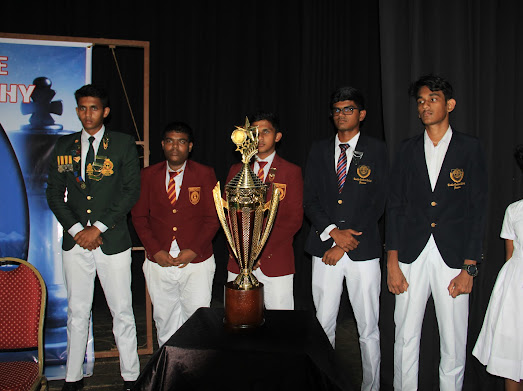
The annual ‘Super Fighters’ Chess Big Match, a unique triangular chess tournament featuring
C.W.W. Kannangara Central College – Matugama,
Taxila Central College – Horana, and
Ananda Sastralaya National School – Matugama,
is set to take place in the coming days.
The official media briefing for the tournament was held under the patronage of the Matugama Zonal Deputy Director of Education, Chandima Priyadarshani, along with the principals of the three participating schools and the Secretary of the Kalutara District Chess Association, Sameera Dissanayake.
Having already secured the title on the previous two occasions, Taxila Central College, Horana, will enter the competition as the defending champions. Meanwhile, this year’s tournament will be hosted by C.W.W. Kannangara Central College, Matugama.
All three schools are expected to field highly competitive teams, featuring internationally rated players as well as several athletes who have represented Sri Lanka at international chess tournaments.
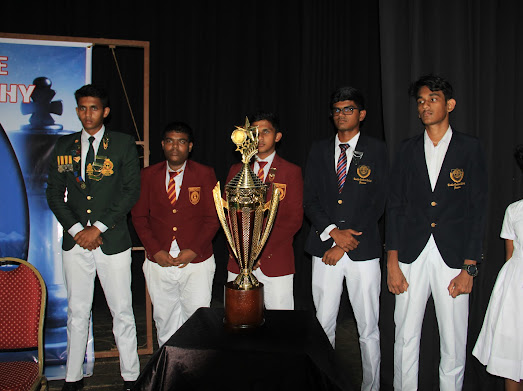
The primary objectives of the tournament are to popularize the “Big Match” concept in school chess, identify emerging talent, and strengthen the spirit of camaraderie among the three institutions.
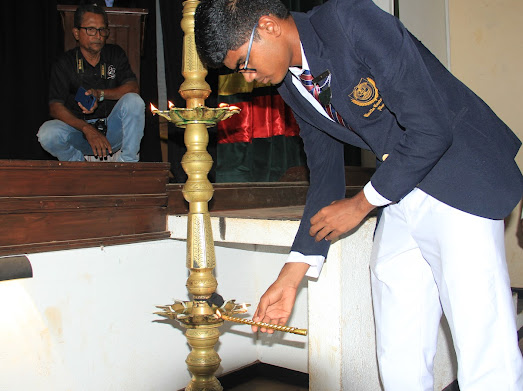
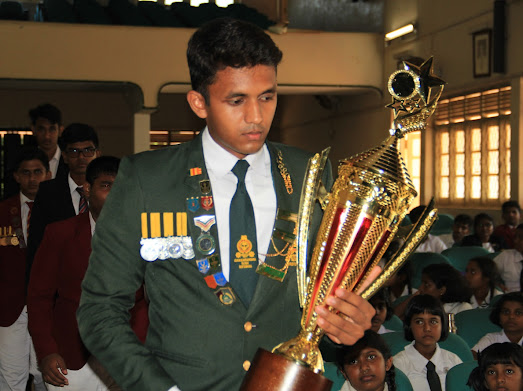
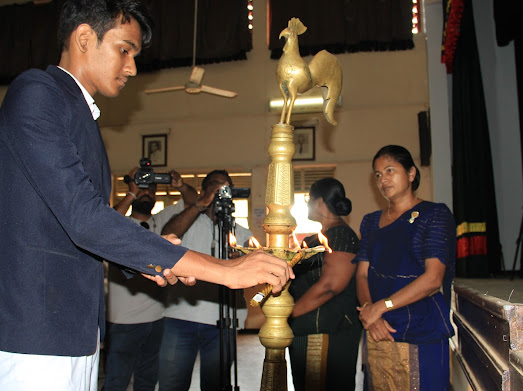
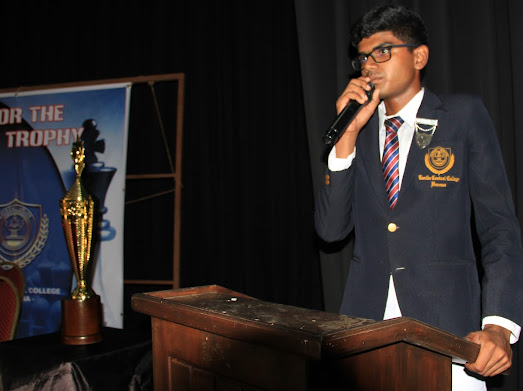
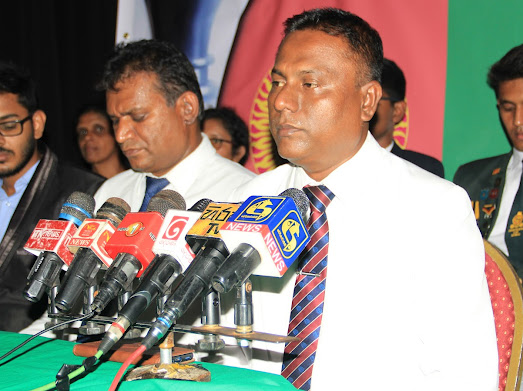
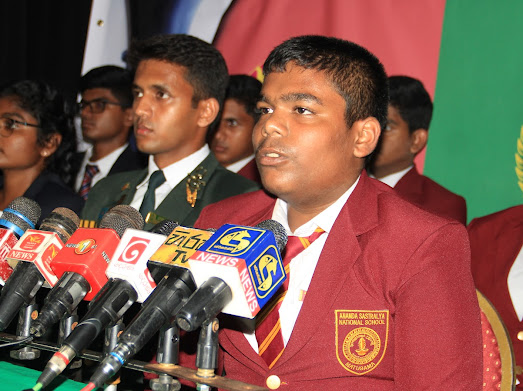
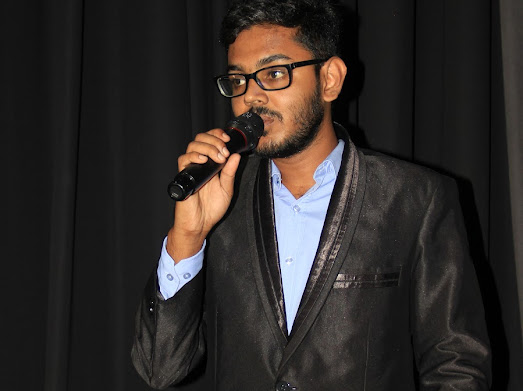
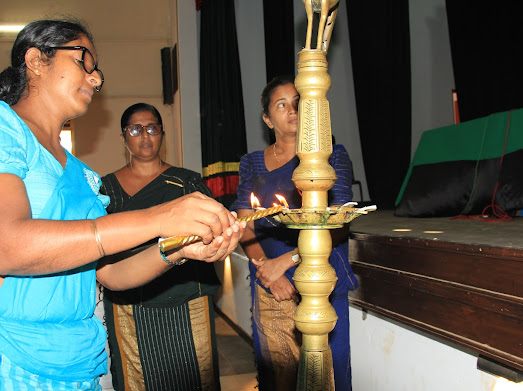
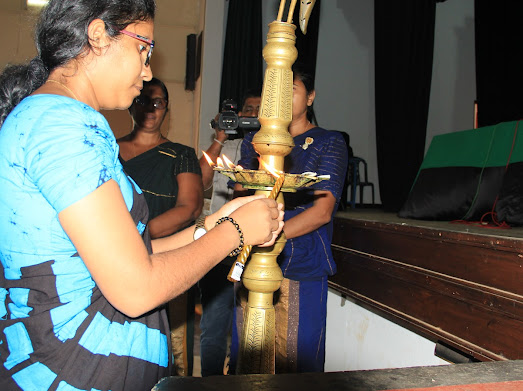
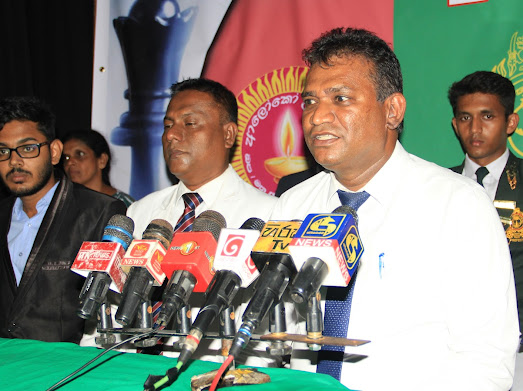
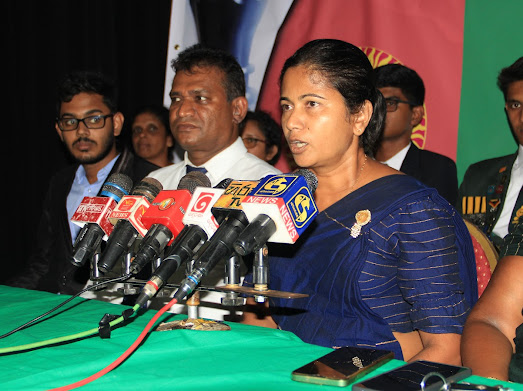
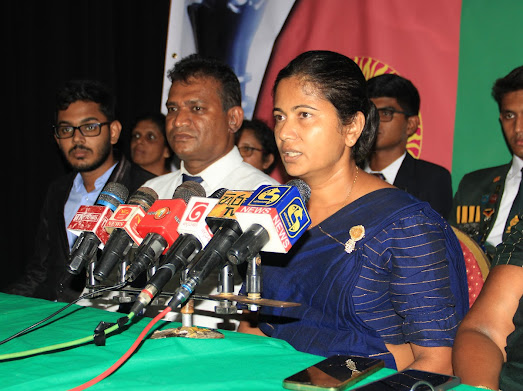
With growing interest in school-level chess, the ‘Super Fighters’ tournament is expected to be a thrilling and high-quality contest, showcasing the next generation of Sri Lanka’s chess talent.
Sri Lanka cricketer Bhanuka Rajapaksa has issued a Letter of Demand (LOD) to actress Harshi Rasanga, accusing her of making false and misleading statements on social media following recent court proceedings.
According to Rajapaksa’s legal representatives, the actress had informed court that the gold chain at the center of the dispute had been pawned. However, they claim she later contradicted this statement publicly, prompting the cricketer to initiate legal action.
The controversy revolves around a gold chain valued at over Rs. 900,000. Rajapaksa alleges that the chain had been borrowed by Rasanga and pawned without his knowledge or consent.
Rasanga was arrested by the Sri Lanka Police’s Thalangama division and later produced before the Kaduwela Magistrate’s Court, where she was granted bail on two sureties of Rs. 500,000 each.
During the court hearing, the defence stated that the chain had indeed been pawned and indicated that steps could be taken to redeem and return it. However, speaking to the media afterward, Rasanga claimed that the chain had been given to her as a gift during a personal relationship.
The court has directed Thalangama Police to take custody of the gold chain and present it at the next hearing, which is scheduled for April 22.
Delhi Capitals are set to kick off their IPL 2026 campaign with a fresh opening combination, as Sri Lanka’s Pathum Nissanka is likely to partner India star KL Rahul at the top of the order.
The Capitals face Lucknow Super Giants in their opening match today at the Ekana Cricket Stadium B Ground in Lucknow, and all eyes will be on how the new-look batting lineup shapes up. While Rahul’s role as opener is confirmed, the team management has been weighing their options for the second slot, with Prithvi Shaw and Abhishek Porel also in contention.
However, indications suggest that Nissanka has edged ahead in the race, with the franchise keen to utilize his consistency and ability to anchor innings in the powerplay. His calm approach at the crease could complement Rahul’s experience, giving Delhi a balanced start at the top.
The Capitals have also bolstered their middle order with the inclusion of David Miller, who adds firepower alongside fellow South African Tristan Stubbs. The duo is expected to provide the late-innings acceleration that Delhi often lacked in previous seasons.
Despite missing Australian pacer Mitchell Starc for the opening fixture due to injury, Delhi still boast a formidable bowling attack. Captain Axar Patel will lead from the front with his all-round abilities, while the spin department is strengthened by the ever-reliable Kuldeep Yadav.
In the pace department, South Africa’s Lungi Ngidi brings experience and variation, having impressed with his clever change of pace in recent T20 competitions. Meanwhile, left-arm seamer T Natarajan returns fully fit after a lengthy injury layoff, adding further depth to the attack.


‘Super Fighters’ Chess Big Match Set to Bring Three Schools Together

Bhanuka Rajapaksa sends legal notice to actress Harshi Rasanga over gold chain dispute

Pathum Nissanka set to open alongside KL Rahul for Delhi Capitals opener

Sri Lanka Schools National Championship 2025: Super 8 Fixtures and Grouping

2025 Schools Rugby Season Set to Thrill Fans with Knockout and League Action

Nuwan Thushara Shines as RCB Storms into IPL 2025 Final

Sri Lanka’s Strongest Man? 💪 | Ransiru Jayathilake | Date With Sporty | Ep 7

Inside the Kandy vs CR Grand Final with Azmir Fajudeen | Date With Sporty | Ep 06 | Romanie Alvis

Date with Sporty | Safiya Yamick’s Training Secrets: A Day in the Life of a Record Holder | Ep: 5
-
 Football1 year ago
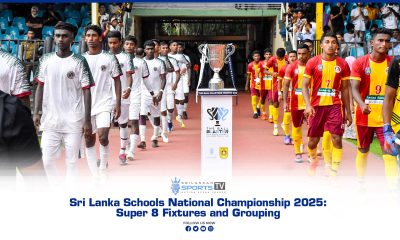
Sri Lanka Schools National Championship 2025: Super 8 Fixtures and Grouping
-
 News1 year ago
2025 Schools Rugby Season Set to Thrill Fans with Knockout and League Action
-
 Cricket10 months ago
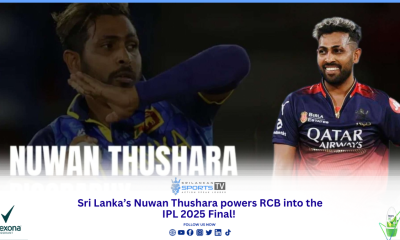
Nuwan Thushara Shines as RCB Storms into IPL 2025 Final
-
 Live4 years ago
Live Broadcast of Syria vs Sri Lanka | AFC U23 Asian Championship Qualification
-
 Cricket1 year ago
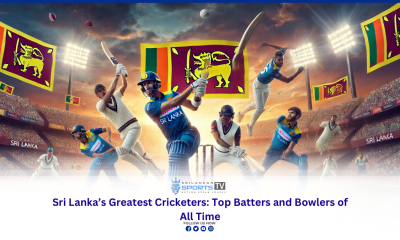
Sri Lanka’s Greatest Cricketers: Top Batters and Bowlers of All Time
-

 News10 months ago
Major Shake-Up in Sports Governance: New 2025 Regulations Reform National Sports Bodies in Sri Lanka
-

 Football1 year ago
FFSL Rebrands Division-1 as ‘League-One’ with a Bold New Vision
-
 Football11 months ago
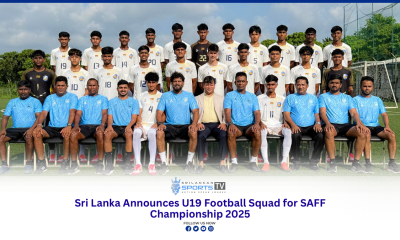
Sri Lanka Announces U19 Football Squad for SAFF Championship 2025