
News
The tournament schedule of the 2023 Women’s T20 World Cup is announced.

The ICC has announced the schedule for next year’s Women’s Twenty20 World Cup in South Africa, with Bangladesh and Ireland filling the bottom two spots after qualifying matches in the 10-team tournament.
The eighth edition of the ICC Women’s T20 World Cup will begin on February 10, 2023, with South Africa hosting Sri Lanka. The knockout matches are scheduled to be held in Cape Town, while the matches in Cape Town, Pearl and Dzibarha are scheduled to be held.
Group 1: Australia, New Zealand, South Africa, Sri Lanka, Bangladesh
Group 2: England, India, West Indies, Pakistan, Ireland
In the group matches, which will run until February 21, each team will play the other four teams in their group once. At the end of the group stage, the top two teams in each group will play in the semi-finals.
2023 කාන්තා T20 ලෝක කුසලානය සඳහා තරඟාවලි කාලසටහන නිවේදනය කෙරේ.
ලබන වසරේ දකුණු අප්රිකාවේ පැවැත්වෙන කාන්තා විස්සයි20 ලෝක කුසලාන තරඟාවලියේ කාලසටහන ICC විසින් ප්රකාශයට පත් කර ඇති අතර, කණ්ඩායම් 10කින් සමන්විත තරඟාවලියේ සුදුසුකම් ලැබීමේ තරඟවලින් පසුව බංග්ලාදේශය සහ අයර්ලන්තය අවසන් ස්ථාන දෙක පුරවා ඇත.
ICC කාන්තා T20 ලෝක කුසලානයේ අටවන සංස්කරණය 2023 පෙබරවාරි 10 වන දින සත්කාරක දකුණු අප්රිකාව ශ්රී ලංකාව සමඟින් ආරම්භ වේ. පිළිමළුන් පිටුදැකීමේ තරග කේප් ටවුන්හිදී පැවැත්වීමට නියමිත අතර කේප් ටවුන්, පර්ල් සහ ජීබර්හා තරඟාවලියේ තරඟ පැවැත්වීමට නියමිතය.
Group 1: Australia, New Zealand, South Africa, Sri Lanka, Bangladesh
Group 2: England, India, West Indies, Pakistan, Ireland
පෙබරවාරි 21 දක්වා පැවැත්වෙන කණ්ඩායම් තරඟවලදී, සෑම කණ්ඩායමක්ම තම කණ්ඩායමේ අනෙක් කණ්ඩායම් හතර සමඟ එක් වරක් තරඟ කරනු ඇත. කාණ්ඩ අදියර අවසානයේ සෑම කාණ්ඩයකම මුල් තැන ගන්නා කණ්ඩායම් දෙක අවසන් පූර්ව වටයට ක්රීඩා කරයි.
2023 மகளிர் டி20 உலகக் கோப்பைக்கான போட்டி அட்டவணை அறிவிக்கப்பட்டுள்ளது.
அடுத்த ஆண்டு தென்னாப்பிரிக்காவில் நடைபெறவுள்ள மகளிர் T 20 உலகக் கோப்பைக்கான அட்டவணையை ஐசிசி அறிவித்துள்ளது, 10 அணிகள் கொண்ட போட்டித் தொடரில் தகுதிப் போட்டிகளுக்குப் பிறகு வங்காளதேசம் மற்றும் அயர்லாந்து கடைசி இரண்டு இடங்களை நிரப்புகின்றன.
ஐசிசி மகளிர் டி20 உலகக் கோப்பையின் எட்டாவது பதிப்பு பிப்ரவரி 10, 2023 அன்று தென்னாப்பிரிக்கா இலங்கையை நடத்துகிறது. நாக் அவுட் போட்டிகள் கேப்டவுனிலும், போட்டிகள் கேப்டவுன், பேர்ல் மற்றும் டிசிபர்ஹாவிலும் நடைபெற உள்ளன.
குரூப் 1: ஆஸ்திரேலியா, நியூசிலாந்து, தென் ஆப்பிரிக்கா, இலங்கை, வங்கதேசம்
குரூப் 2: இங்கிலாந்து, இந்தியா, வெஸ்ட் இண்டீஸ், பாகிஸ்தான், அயர்லாந்து
பிப்ரவரி 21-ம் தேதி வரை நடைபெறும் குரூப் ஆட்டங்களில் ஒவ்வொரு அணியும் தங்கள் குழுவில் உள்ள மற்ற நான்கு அணிகளுடன் ஒரு முறை மோதும். குழுநிலை முடிவில் ஒவ்வொரு குழுவிலும் முதல் இரண்டு இடங்களை பிடிக்கும் அணிகள் அரையிறுதியில் விளையாடும்.

The long-standing jinx has finally been broken after 14 years, as the Mumbai Indians secured a memorable opening-game victory at home against the Kolkata Knight Riders in the Indian Premier League 2026 season. Mumbai Indians began their campaign in style, registering a convincing six-wicket win in a high-scoring encounter.
Addressing the media in the post-match press conference, head coach Mahela Jayawardene appeared calm and reflective, acknowledging both the significance of the win and areas for improvement.
It is brilliant. It was a good wicket, and KKR got 220 on the board. I think we gave away 20 runs extra. The way Rohit and Ryan batted, it was exquisite to watch… brilliant execution. That was the game plan and these two guys played well Jayawardene said.
A key turning point in the match was the inclusion of Shardul Thakur, who delivered a crucial spell, picking up three wickets and helping Mumbai claw their way back into the contest.
Explaining the tactical decision, Jayawardene noted,
“It was again tactical because we could not have too many new-ball bowlers upfront. We needed some options in the middle and at the back end. That was the thinking when we traded Shardul from LSG as well it reflects our approach of building flexible bowling combinations depending on the opposition.”
The highlight of the chase, however, was the commanding partnership between Rohit Sharma and Ryan Rickelton. Rohit’s fluent 78 off 38 balls, combined with Rickelton’s impressive 81 off 43 deliveries, ensured Mumbai chased down the daunting target with composure.
Jayawardene was full of praise for Rohit’s preparation and leadership.
“Rohit joined us from the first day of the camp. He was very focused and fresh. He played some good matches, practice games, and had match simulations. I was quite happy with the way he was hitting the ball I thought he batted brilliantly.”
He further emphasized the tactical maturity shown by the pair, adding,
“The way Rohit and Ryan handled the opposition bowling attack was good to see from a tactical point of view. It was a great partnership, and long may it continue.”
Reflecting on their consistency, Jayawardene also highlighted their previous contributions:
“If you look at last season, Rohit and Rickelton did well for us at the top of the order. They were solid, and the way they complemented each other was great.”
With this emphatic victory, Mumbai Indians have not only broken a long-standing curse but also sent a strong message to the rest of the league setting the tone for what promises to be an exciting IPL 2026 season.
Sri Lanka’s premier leg-spinner Wanindu Hasaranga is under scrutiny after failing to attend a scheduled fitness test, raising fresh concerns over compliance with national selection standards.
Sources within Sri Lanka Cricket (SLC) confirmed that selectors have formally escalated the matter to the High Performance Center, overseen by Jerome Jayaratne, along with senior board officials. The incident has drawn attention due to SLC’s increasingly strict enforcement of fitness protocols.
Hasaranga, who missed Sri Lanka’s campaign at the ICC Men’s T20 World Cup earlier this year with a hamstring injury, is believed to have fully recovered. Despite this, he has yet to complete the mandatory fitness assessment required for national selection and overseas participation.
Under SLC’s revised policy, centrally contracted players must meet defined fitness benchmarks before receiving clearance to compete in franchise tournaments such as the Indian Premier League.
The situation is particularly significant given Hasaranga’s recent signing by the Lucknow Super Giants during the mini-auction for his base price of INR 2 crore.
Thushara Ruled Out, Pathirana Awaiting Clearance
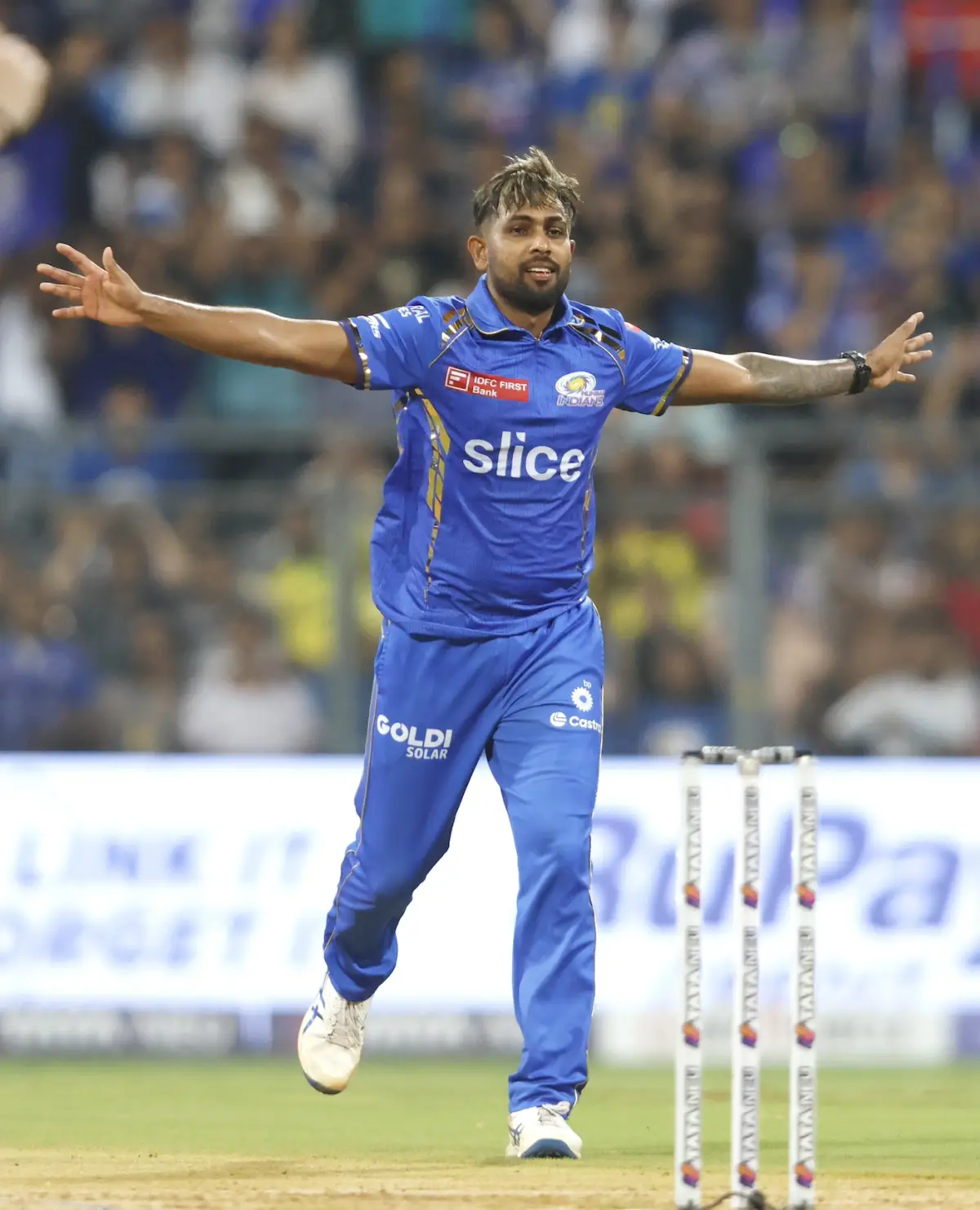
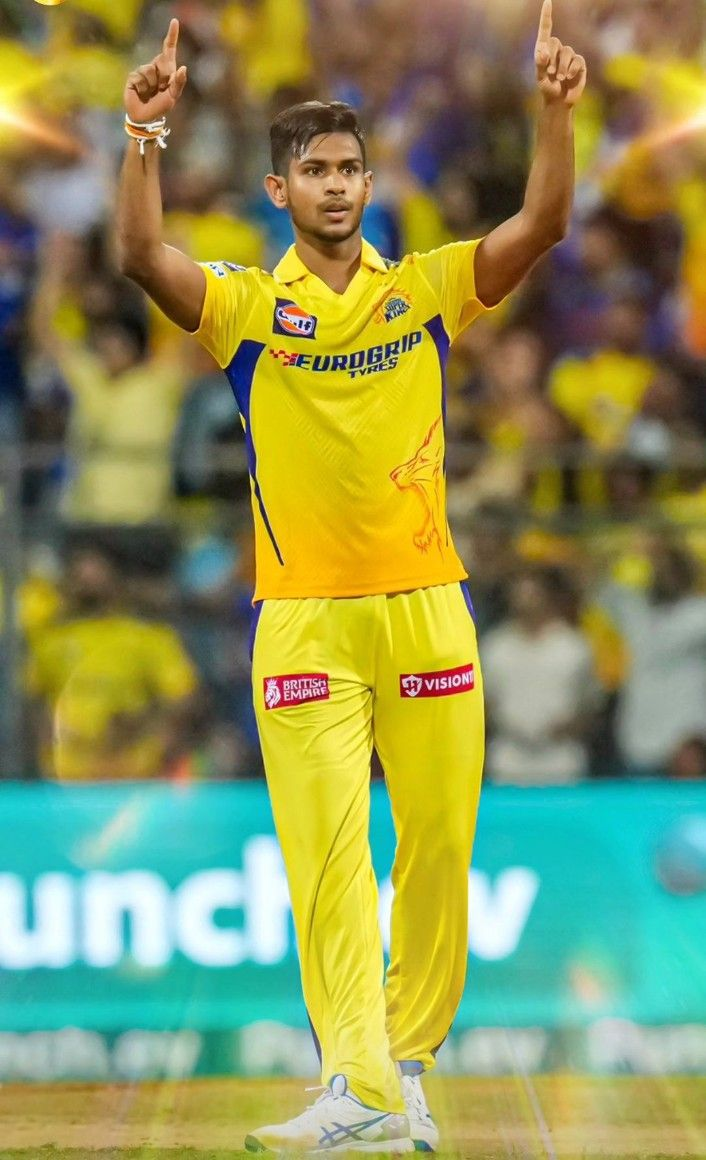
In a related development, Sri Lanka fast bowler Nuwan Thushara has been ruled out of the upcoming IPL season after failing to meet fitness requirements.
Thushara reportedly did not pass his initial fitness test and was granted a second opportunity, which he also missed. As a result, SLC declined to issue him the required NOC, effectively ending his participation hopes.
Despite being injury-free and available to bowl, Thushara is understood to have fallen short of the board’s prescribed fitness standards. He had been signed by the Royal Challengers Bengaluru for approximately INR 1.6 crore and was expected to bolster their pace attack.
Meanwhile, young pacer Matheesha Pathirana remains in contention but is yet to complete his fitness test. Officials indicate he is likely to join his IPL franchise once he clears the required assessments. Pathirana had previously been sidelined due to a hamstring injury.
IPL 2026 Underway
The 2026 edition of the Indian Premier League officially commenced on March 28 and is scheduled to run through the end of May, with franchises finalizing their squads amid strict fitness and regulatory oversight from national boards.
Sri Lanka’s journey at the SAFF U-20 Championship 2026 came to a dramatic and painful end after a last-gasp goal handed Bhutan a 1-0 victory in their decisive group-stage clash in Malé, Maldives.
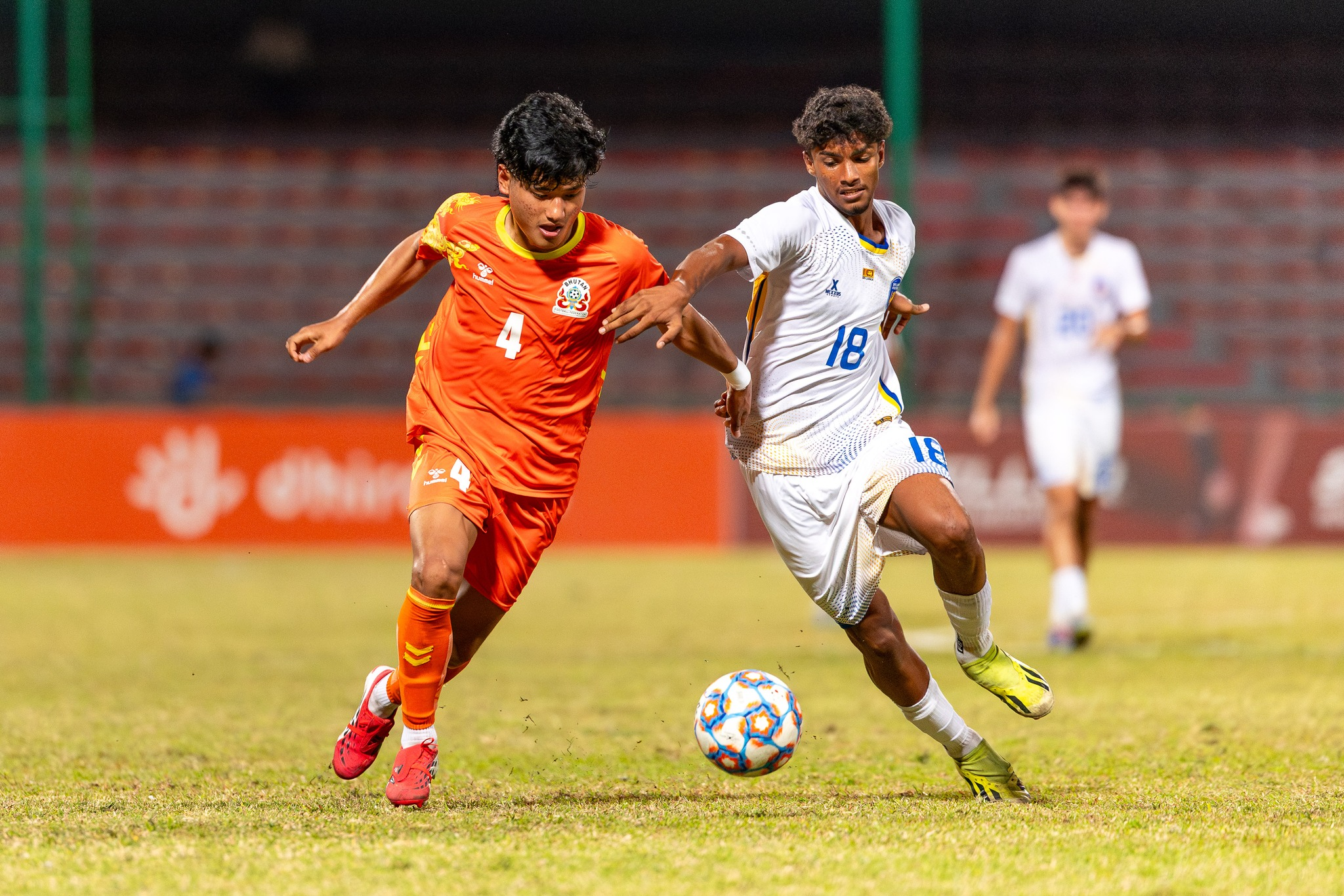
With a place in the semi-finals on the line, the match carried high stakes for both sides. Sri Lanka entered the contest knowing only a positive result would keep their campaign alive, and they responded with a disciplined and energetic performance. The young Sri Lankan side showed composure in defense while attempting to build attacking momentum against a well-organized Bhutan team.
Chances, however, were at a premium. Sri Lanka managed to create a few half-opportunities but were unable to convert, as the Bhutanese defense held firm. As the match wore on, tension grew, with both teams aware that a draw would not be enough to secure progression.
Just as it seemed the game would end in stalemate, Bhutan struck a decisive blow in stoppage time. Forward Dhendup Gyeltshen capitalized on a momentary lapse in the Sri Lankan defense to score in the 90+2 minute, silencing hopes of a late turnaround and sealing all three points for his side.


“Rohit and Ryan were exquisite to watch”: Mahela Jayawardena

Wanindu Hasaranga Faces Inquiry After Missing Mandatory Fitness Test

Late heartbreak ends Sri Lanka’s semi-final hopes

Sri Lanka Schools National Championship 2025: Super 8 Fixtures and Grouping

2025 Schools Rugby Season Set to Thrill Fans with Knockout and League Action

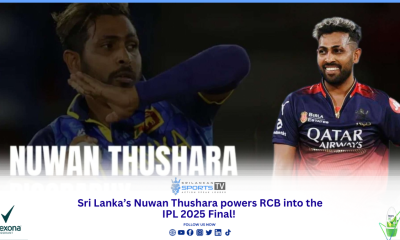
Nuwan Thushara Shines as RCB Storms into IPL 2025 Final

Sri Lanka’s Strongest Man? 💪 | Ransiru Jayathilake | Date With Sporty | Ep 7

Inside the Kandy vs CR Grand Final with Azmir Fajudeen | Date With Sporty | Ep 06 | Romanie Alvis

Date with Sporty | Safiya Yamick’s Training Secrets: A Day in the Life of a Record Holder | Ep: 5
-
 Football1 year ago
Sri Lanka Schools National Championship 2025: Super 8 Fixtures and Grouping
-
 News1 year ago
2025 Schools Rugby Season Set to Thrill Fans with Knockout and League Action
-
 Cricket10 months ago
Nuwan Thushara Shines as RCB Storms into IPL 2025 Final
-
 Live4 years ago
Live Broadcast of Syria vs Sri Lanka | AFC U23 Asian Championship Qualification
-

 Cricket1 year ago
Sri Lanka’s Greatest Cricketers: Top Batters and Bowlers of All Time
-

 News10 months ago
Major Shake-Up in Sports Governance: New 2025 Regulations Reform National Sports Bodies in Sri Lanka
-

 Football1 year ago
FFSL Rebrands Division-1 as ‘League-One’ with a Bold New Vision
-
 Football11 months ago
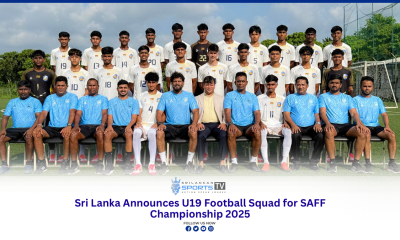
Sri Lanka Announces U19 Football Squad for SAFF Championship 2025