
News
Sri Lanka secured a world cup spot thanks to Nissanka’s ton

Pathum Nissanka’s century and Maheesh Theekshana’s four-for helped Sri Lanka thump Zimbabwe in their second super six games of the ongoing world cup qualifiers worked off at Bulawayo, Zimbabwe on Sunday.
The win saw Dasun Shanaka and co confirmed their tickets to India for the World Cup in October.
Put into bat first the host didn’t have the best of the starts as they were reduced to 30-3 inside the first powerplay.
With Zimbabwe at a spot of bother
In-form Sean Williams (56) and Sikandar Raza (31) however revived their innings with a 68-run fourth-wicket stand.
With Zimbabwe slowly recovering from their shaky start, skipper Dasun Shanaka delivered the all-important breakthrough when he claimed the wicket of his mate Sikandar Raza when he was caught at the boundary line.
After the breakthrough, the Zimbabwe middle and lower-middle-order never recovered as wickets tumbled like nine pins.
Mahesh Theekshana was the architect of Zimbabwe’s collapse as he ended with figures of 4-25.
He claimed the all-important wickets of Sean Williams (56), Ryan Burl (16), L Jonwe (10) and B. Muzarabani (00) to set up an easy win for Sri Lanka. The last seven wickets fell for just 67 runs.
In response to 165, Sri Lanka was led by Pathum Nissanka who made a run-a-ball fifty to seal the match.
He was involved in a 100-run partnership with Dimuth Karunaratne for the first wicket.
Dimuth playing an anchor role went on to score 30 runs before being caught at fine leg in the 19th over.
With the damage already done Nissanka continued to hammer the opposition bowlers all over the park steering Sri Lanka to their total, ably supported by Kusal Mendis who chipped in with unbeaten 25 runs.
Interestingly throughout the qualifying process, no team has scored over 200 runs against Sri Lanka which proves how quality a bowling attack they’ve got.
The islanders who are already booked their tickets to India will meet West Indies in their last outing on Friday (7).
Following the victory Sri Lanka captain Dasun Shanaka said it was crucial for the 1996 winners to be at the sport’s quadrennial showpiece.
“It was a much-needed thing for Sri Lanka to play on that big stage,” said Shanaka. “It’s always tough coming to the qualifiers, but still, if you go through the process and we knew with the team we’ve got, we were going to qualify for the World Cup.”
Zimbabwe skipper Craig Ervine said despite the heavy defeat they would stick to their game plan for Tuesday’s match against Scotland.
“I don’t think we need to prepare any differently from what we have been doing in this tournament [against Scotland],” said Ervine. “We have been playing some very good cricket. Sri Lanka was much better than us today.”
Brief Scores: Zimbabwe 165 in 32.5 overs (San Williams 56, Sikandar Raza 31, Maheesh Theekshana 4/25, Dilshan Madushanka 3/15).
Sri Lanka 169/1 in 33.1 overs (Pathum Nissanka 101 not out).
නිශ්ශංකගේ ශතකය නිසා ශ්රී ලංකාව ලෝක කුසලානයේ ස්ථානයක් තහවුරු කරගනී.
පැතුම් නිශ්ශංකගේ ශතකය සහ මහේෂ් තීක්ෂණගේ අනර්ඝ ක්රිඩා විලාශය හේතුවෙන් සිම්බාබ්වේ හි බුලවායෝ හිදී පැවැත්වෙන ලෝක කුසලාන සුදුසුකම් ලැබීමේ දෙවන සුපිරි හය තරඟවලදී ශ්රී ලංකාව සිම්බාබ්වේ පරාජය කළේය.
ප්රථමයෙන් පන්දුවට පහර දුන් සත්කාරක කණ්ඩායමට පළමු පවර් ප්ලේය තුළදී ඔවුන් ලකුණු 30-3ක් දක්වා අඩු වූ බැවින් හොඳම ආරම්භය නොතිබුණි.
සිම්බාබ්වේ සමඟ කරදරකාරී ස්ථානයක කෙසේ වෙතත් සිවුවැනි කඩුල්ලට ලකුණු 68ක සබඳතාවක් ගොඩනැගූ ෂෝන් විලියම්ස් (56) සහ සිකන්දර් රාසා (31) ඔවුන්ගේ ඉනිම යළි පණ ගැන්වූහ.
සිම්බාබ්වේ පිලේ බිඳවැටුණු ආරම්භයෙන් සෙමෙන් යථා තත්ත්වයට පත්වීමත් සමඟ නායක දසුන් ශානක සිය සගයා වූ සිකන්දර් රාසා හතරේ සීමාවේදී දැවී යන විට ඔහුගේ කඩුල්ල දවාගැනීමත් සමඟින් වැදගත් පෙරළියක් සිදු කළේය.
පෙරළියෙන් පසුව, සිම්බාබ්වේ මැද සහ පහළ මැදපෙළ කිසි විටෙකත් යථා තත්ත්වයට පත් නොවූයේ කඩුලු 9ක් මෙන් කඩා වැටුණු බැවිනි.
මහේෂ් තීක්ෂණ සිම්බාබ්වේ බිඳවැටීමේ නිර්මාපකයා වූ අතර ඔහු ලකුණු 4-25 කින් අවසන් විය.
ඔහු ෂෝන් විලියම්ස් (56), රයන් බර්ල් (16), එල් ජොන්වේ (10) සහ බී. මුසරබානි (00) යන සියලු වැදගත් කඩුලු දවා ගනිමින් ශ්රී ලංකාවට පහසු ජයග්රහණයක් ලබා දීමට සමත් විය. අවසන් කඩුලු 7 බිඳ වැටුණේ ලකුණු 67කට පමණි.
ලකුණු 165ට පිළිතුරු ලෙස පැතුම් නිශ්ශංක විසින් තරගයේ ජයග්රහණය සඳහා ලකුණු 50ක් රැස්කරමින් ශ්රී ලංකාව ඉදිරියෙන් සිටියේය.
ඔහු පළමු කඩුල්ලට දිමුත් කරුණාරත්න සමගින් ලකුණු 100ක සබඳතාවයකට සම්බන්ධ විය.
19 වැනි ඕවරයේදී ෆයින් ලෙග්හිදී දැවී යාමට පෙර දිමුත් නැංගුරමේ භූමිකාවක් ඉටු කරමින් ලකුණු 30ක් ලබා සිටියේය.
මේ වන විටත් සිදුවී ඇති හානියත් සමඟ නිශ්ශංක දිගින් දිගටම උද්යානය පුරා සිටින ප්රතිවාදී පන්දු යවන්නන්ට පහර දෙමින් ශ්රී ලංකාව ඔවුන්ගේ මුළු ලකුණු සංඛ්යාව කරා මෙහෙයවමින් නොදැවී ලකුණු 25ක් ලබා ගත් කුසල් මෙන්ඩිස්ගේ මනා සහයෙනි.
සුදුසුකම් ලැබීමේ ක්රියාවලිය පුරාවටම ශ්රී ලංකාවට එරෙහිව කිසිදු කණ්ඩායමක් ලකුණු 200කට වඩා රැස් කර නොතිබීම සිත්ගන්නා කරුණක් වන්නේ ඔවුන් කෙතරම් ගුණාත්මක පන්දු යැවීමක නිරත වූවාද යන්නයි.
දැනටමත් ඉන්දියාවට යාමට ප්රවේශපත්ර වෙන්කරගෙන සිටින දූපත්වාසීන් සිකුරාදා (7) බටහිර ඉන්දීය කොදෙව් කණ්ඩායම හමුවනු ඇත.
ජයග්රහණයෙන් පසුව ශ්රී ලංකා නායක දසුන් ශානක ප්රකාශ කළේ 1996 ජයග්රාහකයින් ක්රීඩාවේ සිව්වසර ප්රදර්ශන භූමියට පැමිණීම ඉතා වැදගත් බවයි.
“එම විශාල වේදිකාවේ ක්රීඩා කිරීම ශ්රී ලංකාවට ඉතා අවශ්ය දෙයක්,” ශානක පැවසීය. “සුදුසුකම් වටයට පැමිණීම සැමවිටම දුෂ්කර ය, නමුත් තවමත්, ඔබ ක්රියාවලිය හරහා ගියහොත් සහ අප සතුව ඇති කණ්ඩායම සමඟ අපි දැන සිටියහොත්, අපි ලෝක කුසලානයට සුදුසුකම් ලබන්නෙමු.”
සිම්බාබ්වේ නායක ක්රේග් අර්වින් පැවසුවේ දරුණු පරාජයක් ලැබුවද ස්කොට්ලන්තයට එරෙහිව අඟහරුවාදා පැවැත්වෙන තරගය සඳහා ඔවුන්ගේ ක්රීඩා සැලැස්මට ඇලී සිටින බවයි.
“මෙම තරඟාවලියේ [ස්කොට්ලන්තයට එරෙහිව] අප කරමින් සිටි දෙයට වඩා වෙනස් ලෙස සූදානම් විය යුතු යැයි මම නොසිතමි,” අර්වින් පැවසීය. “අපි ඉතා හොඳ ක්රිකට් ක්රීඩා කරනවා. ශ්රී ලංකාව අද අපට වඩා බොහෝ දියුණු විය.
සංක්ෂිප්ත ලකුණු: සිම්බාබ්වේ ඕවර 32.5 කදී 165 (සැන් විලියම්ස් 56, සිකන්දර් රාසා 31, මහේෂ් තීක්ෂණ 4/25, ඩිල්ෂාන් මධුශංක 3/15).
ශ්රී ලංකාව ඕවර 33.1කදී 169/1 (පැතුම් නිශ්ශංක නොදැවී 101).

24 Schools, 15 Venues and Three National Trophies as Ball Blaster Enters Its Third Year
COLOMBO — Ball Blaster, Sri Lanka’s premier school football tournament, is set to return in 2026 with its biggest edition yet, organized by Aasgard Sports (Private) Limited in collaboration with the Sri Lanka Schools Football Association and the Ministry of Education.
Now entering its third year, Ball Blaster has grown from 2023 with 20 schools into one of the country’s largest youth football events. The 2025 edition featured 16 schools competing across four groups, drawing national broadcast attention through Sri Lankan Sports TV and PEO TV. For 2026, the tournament expands significantly, with 24 schools set to compete across 15 venues nationwide, in a season spanning six weeks and 84 matches.
A NEW FORMAT: THREE TROPHIES, THREE CHAMPIONS
The standout feature of Ball Blaster 2026 is a new three-tier trophy format. Schools will be drawn into four groups of six, playing a round-robin group stage before advancing into one of three parallel championships based on their group finish: the Cup Trophy for group winners, the Bowl Trophy for runners-up, and the Plate Trophy for second runners-up. The format ensures every participating school remains in contention for a national title deep into the tournament.
All three championships will reach their conclusion on the same finals weekend, with third-place playoffs and grand finals for the Cup, Bowl and Plate trophies all being played at Sugathadasa Stadium in Colombo.
“Ball Blaster has always been about giving young footballers a stage,” said a spokesperson for Aasgard Sports. “This year, we’re expanding that stage to every corner of the island, and making sure every school that takes part has something real to play for, right to the final whistle.”
BUILDING ON A STRONG 2025
Ball Blaster’s growth has been underpinned by strong sponsor support. The 2025 edition was backed by Lifebuoy as Title Sponsor, alongside Lemonade as Refreshing Partner and Sky Market Travels as Travelling Partner. Organizers say conversations are already underway with returning and new sponsors ahead of the 2026 season, as the tournament’s expanded scale — nationwide venues, a longer season and three separate finals — offers significantly greater visibility for partners.
BROADCAST AND COVERAGE
As in previous years, Ball Blaster 2026 will be broadcast live via Sri Lankan Sports TV and PEO Sports, with matches also available on YouTube and across Sri Lankan Sports TV’s digital platforms.
For sponsorship and partnership enquiries, contact: Pasindu Mihiranga Sri Lankan Sports TV | Aasgard Sports (Private) Limited 0726 85 18 18 marketing@srilankansportstv.com
www.srilankansportstv.com
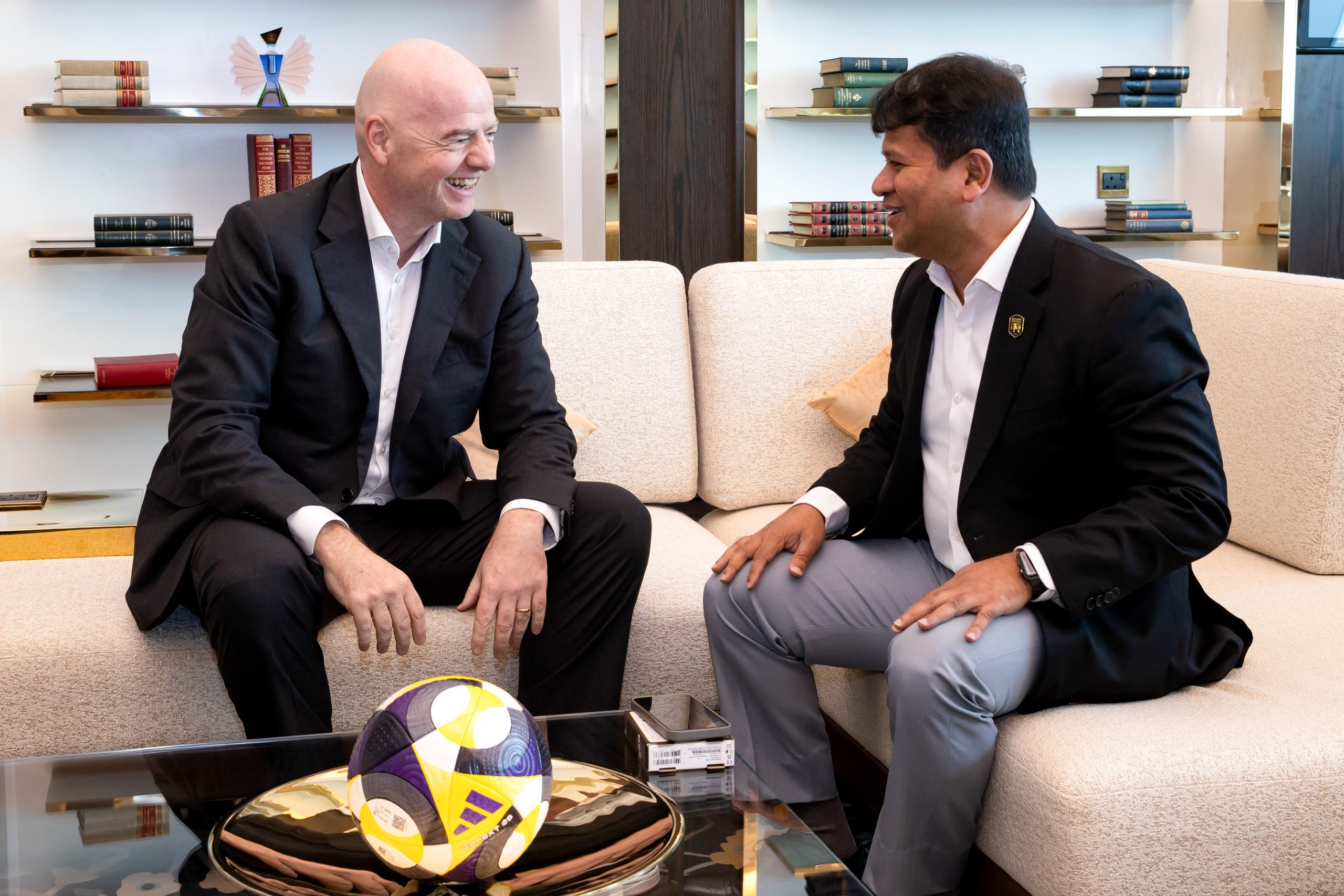
Football Federation of Sri Lanka (FFSL) President Jaswar Umar has described the inaugural FIFA Series in Colombo as a major milestone for the country’s football development, saying the tournament has given Sri Lanka renewed confidence and a stronger connection with the international game.
Umar, who has been involved in efforts to strengthen Sri Lankan football administration and development, said hosting the tournament demonstrated that developing football nations could compete on the global stage when given meaningful opportunities.
The FIFA Series, held in Colombo in March 2024, brought Sri Lanka together with Bhutan, Papua New Guinea and the Central African Republic. The four participating nations represented three different confederations, giving Sri Lanka an unusual opportunity to face teams with different playing styles.
Sri Lanka completed its campaign unbeaten, drawing 0-0 against Papua New Guinea and defeating Bhutan 2-0. Umar said the matches provided valuable experience for the national team and helped players adapt to different forms of international competition.
He stressed that the benefits extended beyond the football field. Sri Lankan officials involved in administration, technical operations, media, medical services and event management gained practical experience in organising matches to international standards.
The Racecourse Ground also received an important upgrade through assistance from FIFA’s Forward Programme. The renovation enabled the historic Colombo venue to host international football and created improved facilities for future events.
Umar said one of the most important achievements was bringing international football closer to Sri Lankan supporters. Young fans were able to watch national players compete against foreign opposition in their own city, helping to inspire a new generation.
He thanked FIFA and its President Gianni Infantino for supporting developing football nations.
According to Umar, the FIFA Series has left Sri Lanka with more than match results. It has provided international experience, stronger administrative capabilities, improved infrastructure and, most importantly, renewed belief in the future of Sri Lankan football.
Imesha Dulani stole the spotlight with a sensational unbeaten century as Sri Lanka Women chased down a formidable target of 177 to register a convincing six-wicket victory over Pakistan Women in the first T20I worked off at Dambulla international Stadium.
Pakistan looked set for victory after posting a competitive 176 for 7 in their 20 overs. Captain Muneeba Ali gave the innings early momentum with a fluent 42 off 24 balls, while Shawaal Zulfiqar anchored the innings superbly with a brilliant 63 from 41 deliveries, striking 10 fours and a six. Eman Naseer added a valuable 21, while Ayesha Zafar and Saira Jabeen played aggressive cameos in the closing overs to push Pakistan to an above-par total.
Sri Lanka’s bowlers shared the wickets, with Kavisha Dilhari leading the way with two dismissals. Chamudi Praboda, Sugandika Kumari and Kawya Kavindi chipped in with one wicket apiece, while disciplined fielding produced two crucial run-outs.
The chase belonged entirely to Dulani, who delivered the innings of the match. Displaying confidence, composure and a wide range of attacking strokes, she remained unbeaten on 101 from just 64 balls, smashing 17 boundaries and a six. Her innings combined elegance with controlled aggression, ensuring Sri Lanka stayed ahead of the required rate throughout the chase.
Captain Chamari Athapaththu provided the ideal platform with a sparkling 39 off 22 balls, adding 78 for the opening wicket before Nashra Sandhu broke the partnership. Although Sri Lanka lost wickets at regular intervals in the middle overs, Dulani remained firmly in control, rotating the strike effectively before accelerating when it mattered most.
Kavisha Dilhari contributed 11 valuable runs, while Nilakshika Silva remained unbeaten on nine as Sri Lanka reached 177 for 4 in 19 overs, sealing victory with six balls to spare.
Pakistan spinner Nashra Sandhu finished with two wickets, but she could do little to halt Dulani’s memorable knock.

BALL BLASTER 2026: SRI LANKA’S BIGGEST SCHOOL FOOTBALL TOURNAMENT RETURNS BIGGER THAN EVER

Jaswar Umar Hails FIFA Series as Turning Point for Sri Lankan Football

Dulani’s sparkling century powers Sri Lanka to thrilling victory

Sri Lanka Schools National Championship 2025: Super 8 Fixtures and Grouping

Sri Lanka’s Greatest Cricketers: Top Batters and Bowlers of All Time

2025 Schools Rugby Season Set to Thrill Fans with Knockout and League Action

FIFA World Cup 2026 Analysis | Group Stage & Round of 32 Predictions | Rexona Road to Glory EP 01

The Future of Sri Lankan Rugby | Pavithra Fernando Interview | Game Plan | Episode 1 Part II

RUGBY PRESIDENT PAVITHRA FERNANDO SPEAKS OUT! | Game Plan | Episode 01
-
 Football2 years ago
Sri Lanka Schools National Championship 2025: Super 8 Fixtures and Grouping
-
 Cricket2 years ago
Sri Lanka’s Greatest Cricketers: Top Batters and Bowlers of All Time
-
 News2 years ago
2025 Schools Rugby Season Set to Thrill Fans with Knockout and League Action
-
 Cricket1 year ago
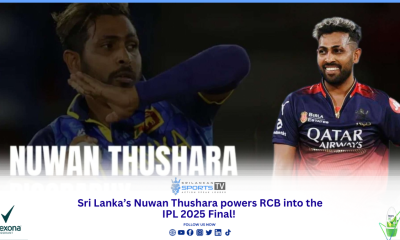
Nuwan Thushara Shines as RCB Storms into IPL 2025 Final
-
 Live5 years ago
Live Broadcast of Syria vs Sri Lanka | AFC U23 Asian Championship Qualification
-

 News1 year ago
Major Shake-Up in Sports Governance: New 2025 Regulations Reform National Sports Bodies in Sri Lanka
-

 Football2 years ago
FFSL Rebrands Division-1 as ‘League-One’ with a Bold New Vision
-

 Cricket6 months ago
Chamindu Wickramasinghe’s bowling action under scrutiny?